Manufacturing products through an injection mold maker has become a popular choice for businesses worldwide due to cost efficiency, advanced technology, and robust manufacturing infrastructure. Whether you’re a startup or an established enterprise, understanding the steps of the injection mold manufacturing process is crucial to ensure quality, timeliness, and cost-effectiveness. A clear understanding of each stage—from mold design and material selection to tooling, testing, and final production—helps prevent costly revisions later. It also ensures that the mold meets structural, functional, and aesthetic requirements. By following a structured manufacturing workflow, businesses can achieve consistent product accuracy, reduce lead times, and ensure long-term reliability of the mold.
A guide outlining the steps in the mold manufacturing process is invaluable for any business working with plastic injection molds. It provides a clear roadmap from initial concept to final production, ensuring that each phase is executed with precision and consistency. By understanding every step—such as design validation, tooling, machining, assembly, and mold testing—companies can avoid errors and improve overall efficiency. This structured approach also makes communication smoother between designers, engineers, and manufacturers, resulting in better quality control and reduced production delays. When executed properly, the process allows businesses to fully leverage advanced manufacturing capabilities to achieve superior product quality, optimized costs, and long-term competitive advantage.


Begin mold manufacturing steps by creating a detailed design of the product mold using CAD software, considering factors such as size, shape, material flow, and parting lines.
In this step of mold manufacture we choose a suitable material for the mold, typically hardened steel or aluminum, based on factors like production volume, part complexity, and budget.
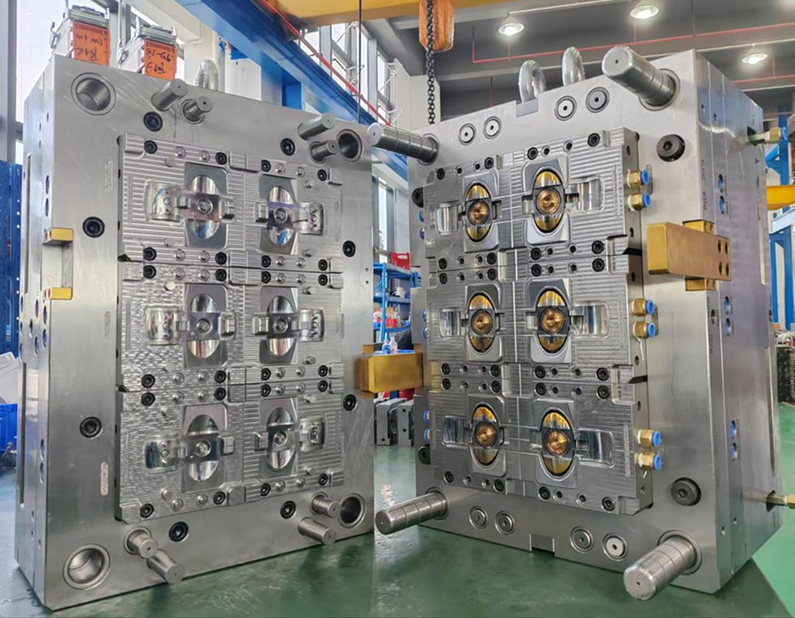
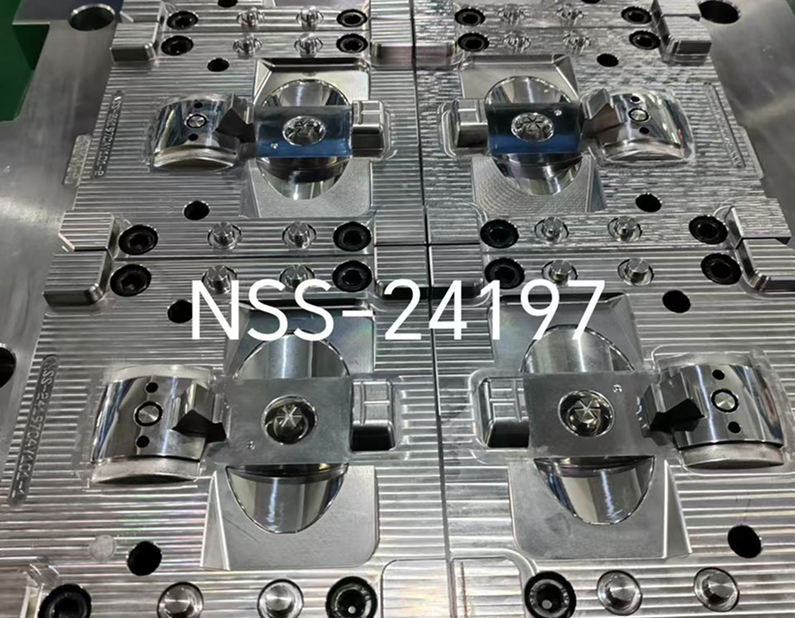
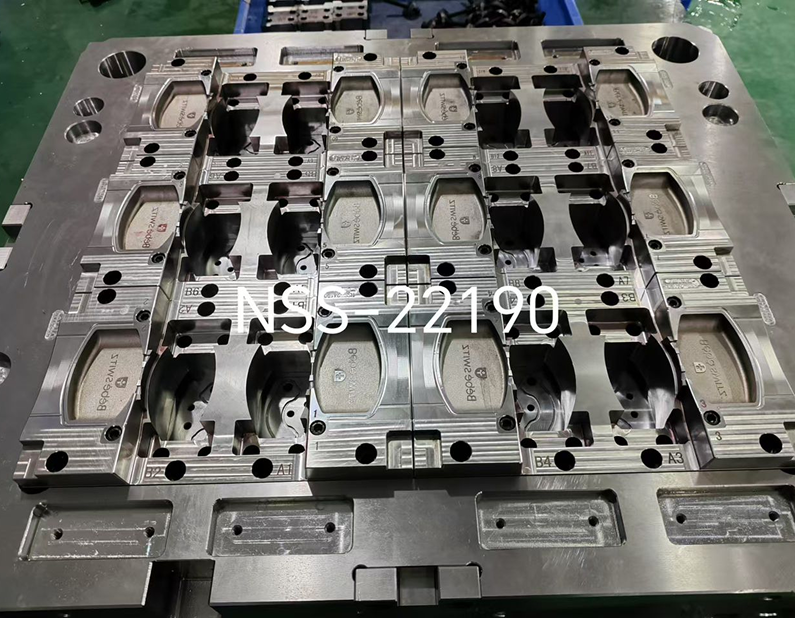
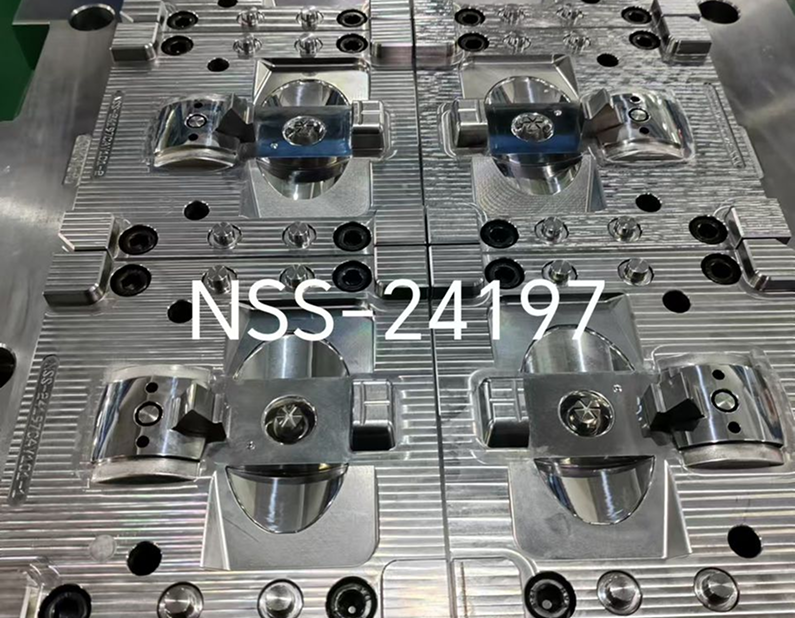
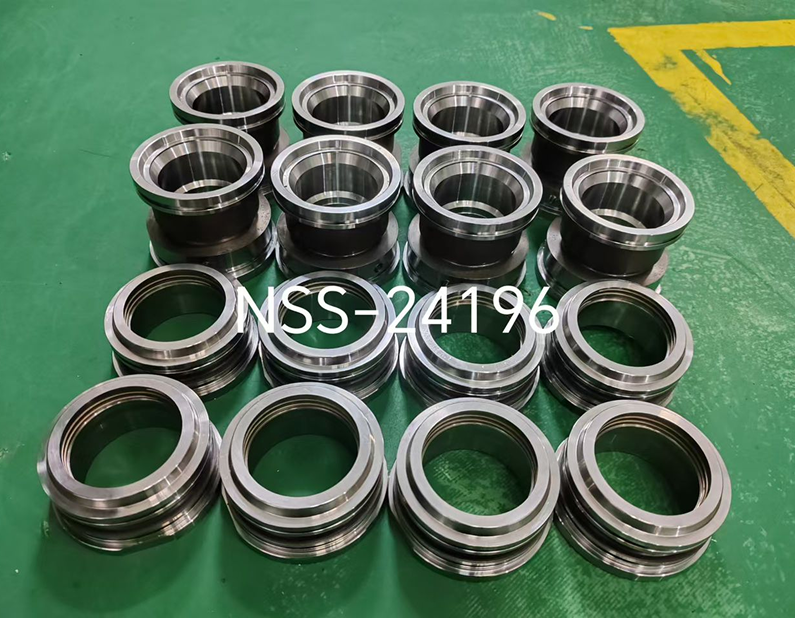
We use CNC machines to accurately cut and shape the mold components according to the design specifications. This mold manufacture step includes the mold base, cavity inserts, core inserts, and any other necessary components.
At this step of injection mold we create electrodes for EDM (Electrical Discharge Machining) to produce intricate features such as fine details and undercuts in the mold components.
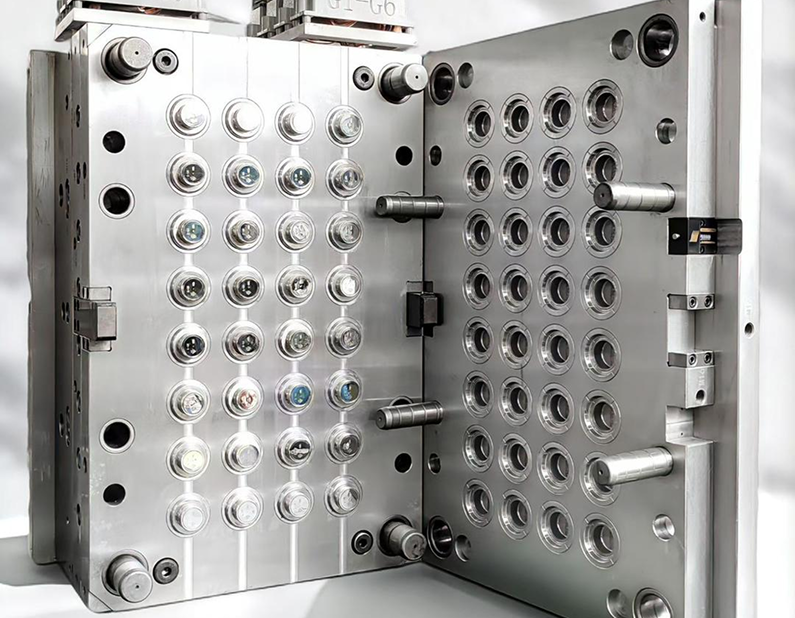
Assemble the various mold components, including the mold base, cavity inserts, core inserts, and any additional components like ejector pins and slides.
Polish and finish the mold surfaces to achieve the desired surface finish and ensure smooth part ejection.
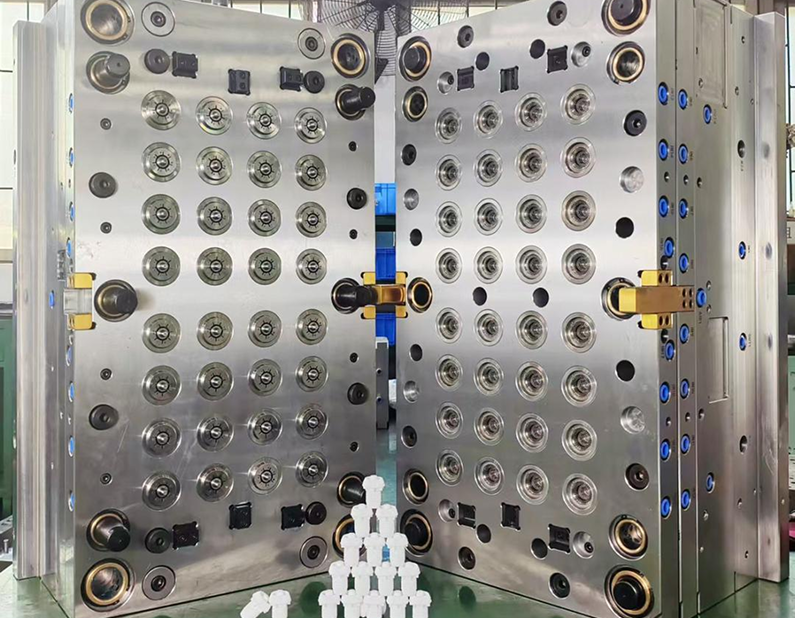
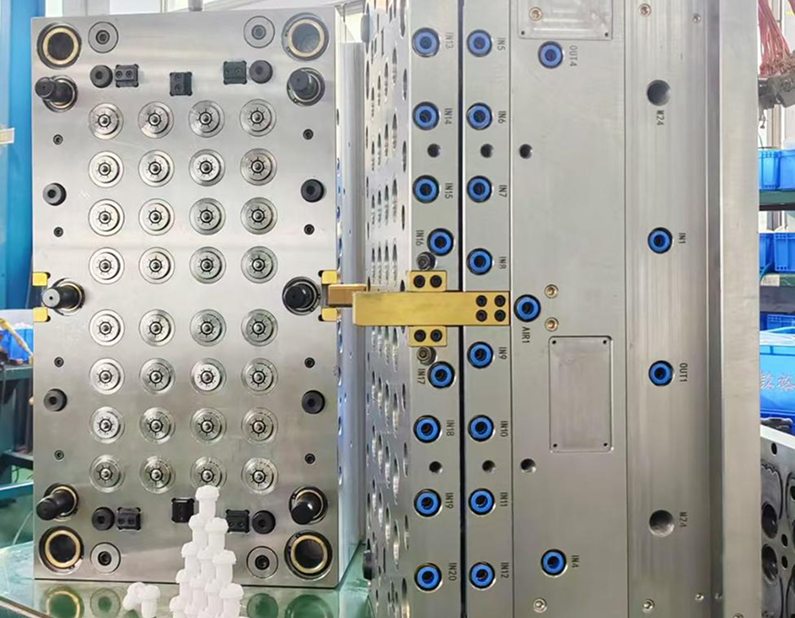
Integrate the hot runner system into the mold, including manifold, nozzles, and heaters, ensuring proper alignment and functionality.
Conduct trial runs with the mold to test for proper filling, cooling, and ejection of parts. Make any necessary adjustments to optimize the molding process.
Inspect the finished mold for any defects or imperfections, ensuring that it meets the required quality standards and specifications.
Our final step of mold manufacture, once the mold passes all quality checks and meets the required standards, it is ready for production use.